Olympus E-10 uses Olympus LI-40B / LI-42B. When buying used, confirm the seller includes a working charger or plan to add one. See the battery guide for charger and spare-battery checks.
What memory card does the Olympus E-10 take?
Olympus E-10 uses SmartMedia, Compact Flash Type I or II. The current buyer-facing maximum is Up to 2GB (CompactFlash); SmartMedia up to 128MB; for older or unusual formats, stay within that limit and avoid oversized cards. See the memory card guide before buying cards for older cameras.
Is the Olympus E-10 worth buying used?
It can be worth buying if you want a 4 MP effective Olympus compact from 2000 with 2/3-inch CCD. Check power, lens movement, screen condition, and storage access before paying. Run the used digital camera checklist before buying. For nearby Olympus options, compare Olympus E-1 and Olympus E-100 RS.
How do you transfer photos from the Olympus E-10?
The simplest transfer path is usually to remove the memory card and use a compatible card reader. If the camera uses internal storage or a rare card format, confirm the cable or reader before buying. The card reader guide and photo transfer guide cover the common options.
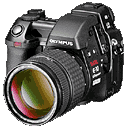
Olympus E-10 is worth judging as its own Olympus Four Thirds DSLR body, not just as a generic old compact. Start with condition, the exact battery/card setup, and whether its look fits what you want to shoot.
What owners like
Olympus E-10 works best when you want simple snapshots, direct flash, and the relaxed character people look for in older digital compacts rather than a technically perfect modern camera; its 2/3-inch (8.8 x 6.6 mm) CCD and 35-140 mm equivalent, F2-11 are the main character of the look.
Common complaints
Check the lens movement, flash, screen, buttons, and card door calmly before relying on it; older compact bodies can need a little patience without being a bad buy.
What to compare
Compare it with Olympus E-100 RS, Olympus E-20, Olympus C-21, Olympus D-40 Zoom (C-40 Zoom) to decide whether you want this exact body, a cheaper nearby compact, or a slightly more capable alternative.