As an Amazon Associate, The Digicam may earn from qualifying purchases.
Kodak mc3 FAQ
Is the Kodak mc3 worth buying used?
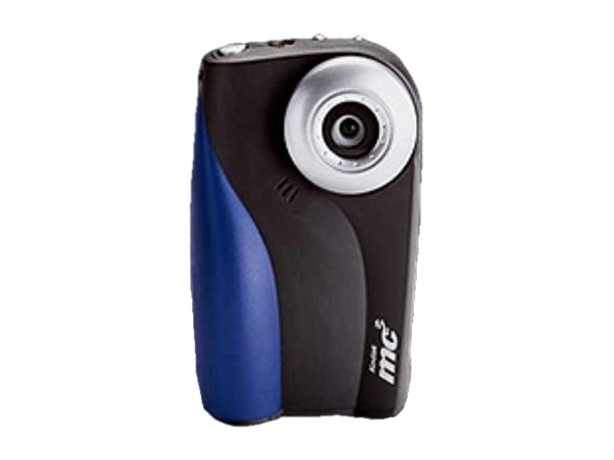
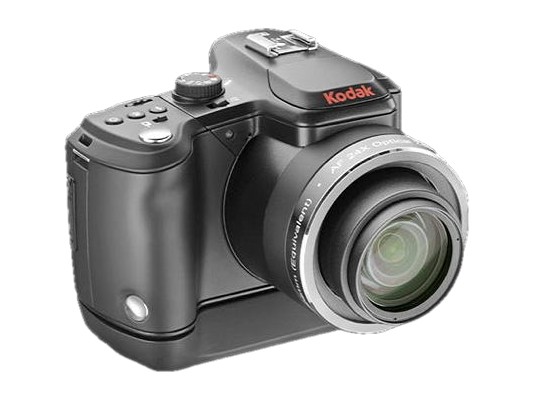
It can be worth buying if you want a 0.3 MP Kodak digital camera from 2001 with 1/3-inch CMOS. Check power, lens movement, screen condition, and storage access before paying. Run the used digital camera checklist before buying. For nearby Kodak options, compare Kodak EasyShare Z980 and Kodak PIXPRO AZ251.
How do you transfer photos from the Kodak mc3?
The simplest transfer path is usually to remove the memory card and use a compatible card reader. If the camera uses internal storage or a rare card format, confirm the cable or reader before buying. The card reader guide and photo transfer guide cover the common options.
What battery model does the Kodak mc3 use?
Kodak mc3 uses AAA (3) batteries (NiMH recommended). When buying used, confirm that the battery holds a charge and that the correct charger is included or available.
What is the maximum memory card for the Kodak mc3?
Up to 2GB (CompactFlash; early body, smaller cards recommended). Larger cards often won't be recognized by this camera, so stay within that limit.
Kodak mc3 works best when you want small-bag snapshots, flash photos, mirror selfies, and a clean pocket-camera look rather than a technically perfect modern camera; its 1/3" CMOS and 37mm (no zoom) are the main character of the look.
Common complaints
Check the lens movement, flash, screen, buttons, and card door calmly before relying on it; older compact bodies can need a little patience without being a bad buy.
What to compare
Compare it with Kodak EasyShare DX3500, Kodak EasyShare DX3600, Canon PowerShot S30, Fujifilm FinePix 2600 to decide whether you want this exact body, a cheaper nearby compact, or a slightly more capable alternative.